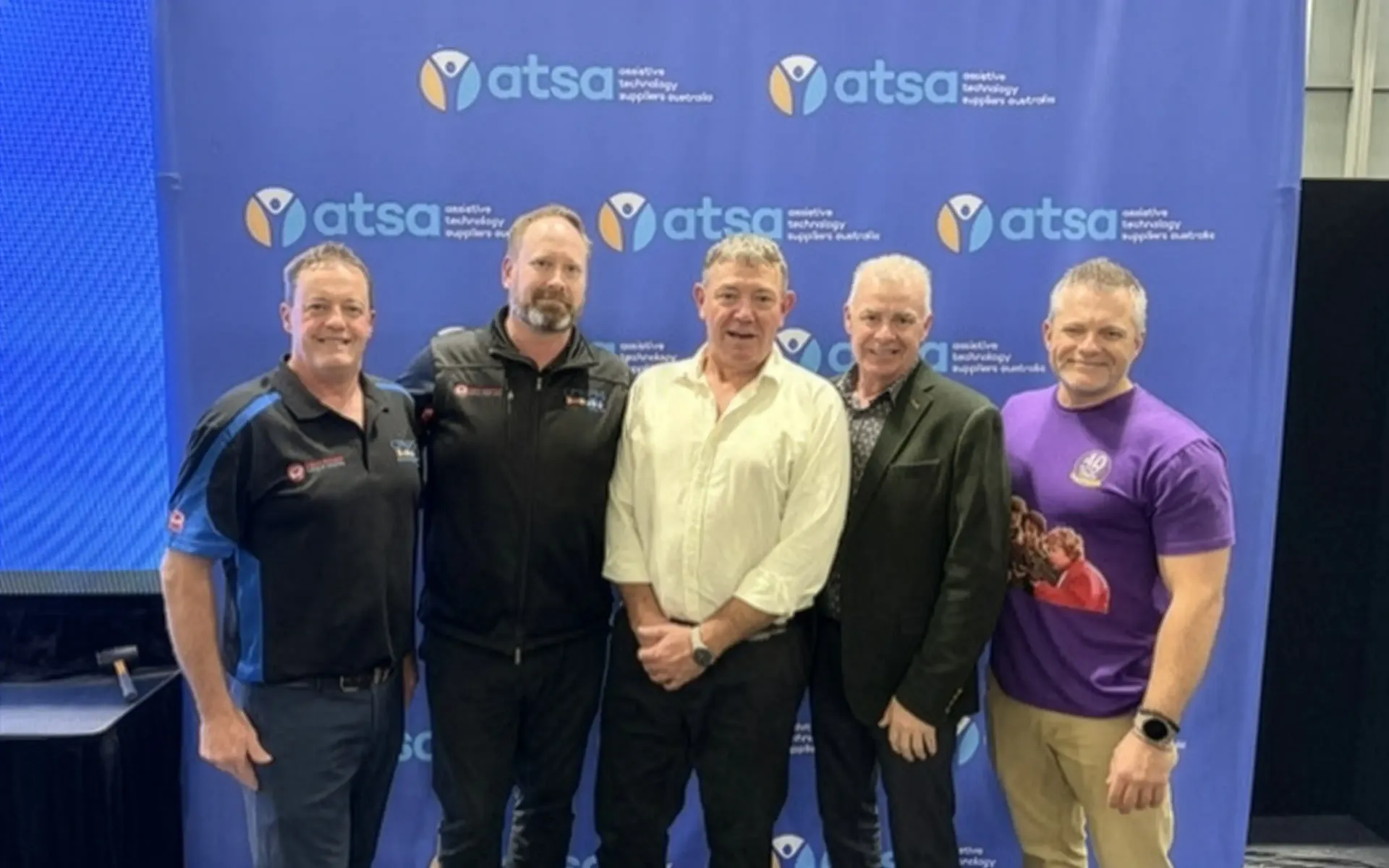
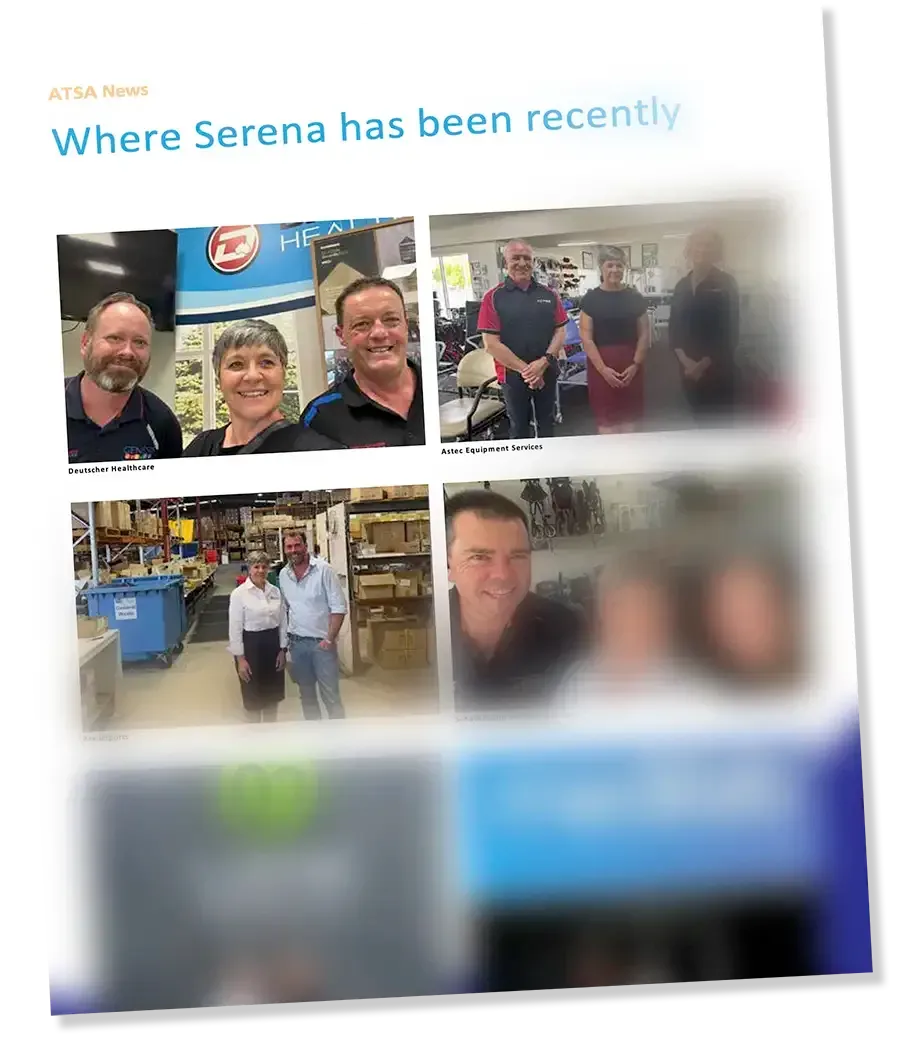
On 9th February, Deutscher Healthcare had the pleasure of hosting Serena Ovens, CEO of Assistive Technology Suppliers Australia (ATSA), for an in‑depth discussion at the company’s Ballarat manufacturing facility. The visit provided an opportunity to showcase Deutscher Healthcare’s commitment to innovation, product quality, and the evolving standards landscape that underpins Australia’s assistive technology sector.
ATSA, the leading industry body representing assistive technology suppliers across the country, plays a central role in advocating for better access, stronger standards, and sustainable industry growth. Serena’s visit delivered valuable insights into the broader policy and regulatory environment and set the stage for important conversations ahead of this year’s ATSA Independent Living Expo in Sydney on 13th May.
A Strategic Conversation Ahead of the ATSA Expo
A key topic during the visit was the upcoming ATSA Expo - one of the most significant events on the assistive technology calendar. Bringing together suppliers, clinicians, consumers, occupational therapists, and policymakers, the expo provides a platform for showcasing the latest innovations that support independence, mobility, and health outcomes across Australia.
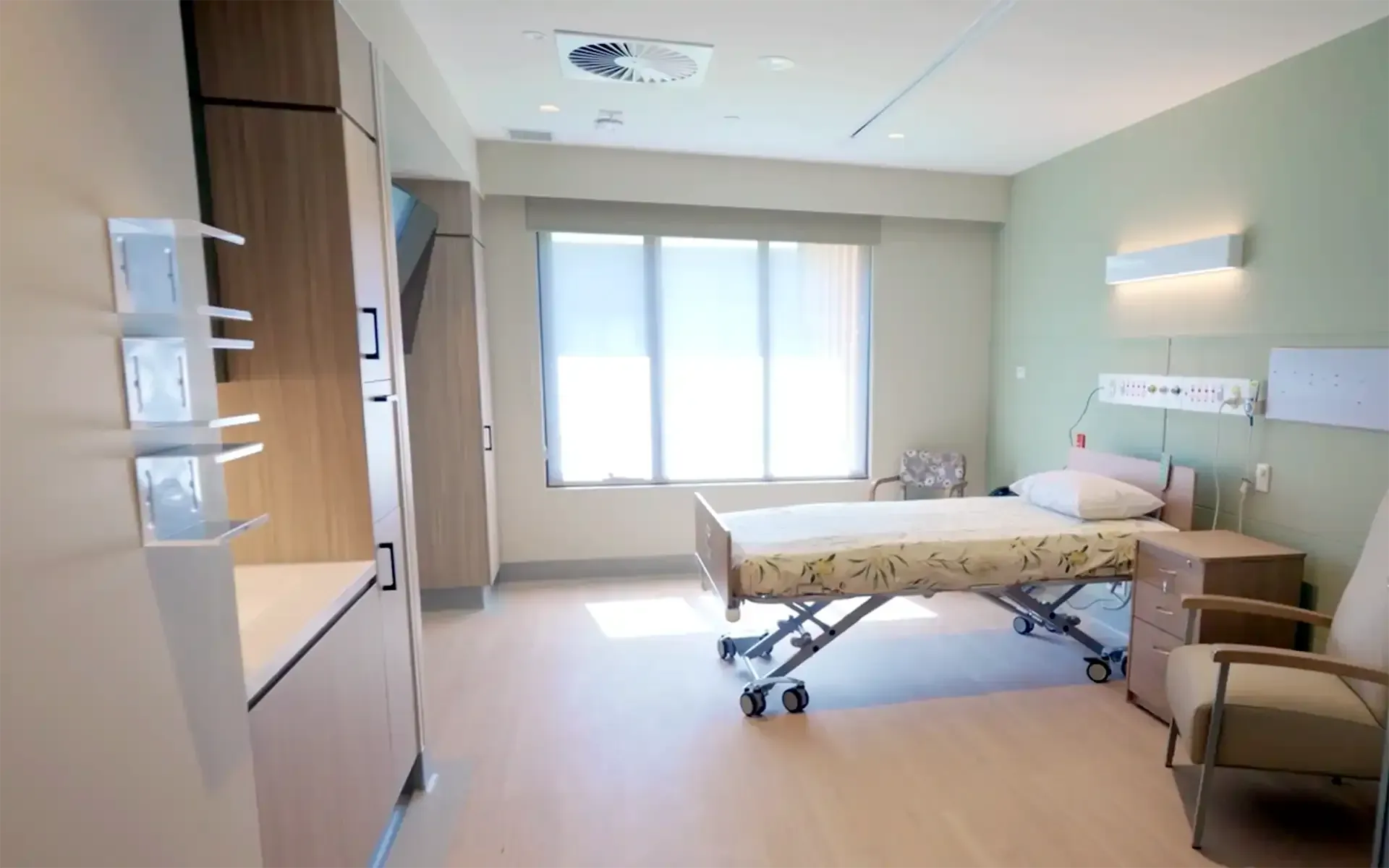
For Deutscher Healthcare, the event is an opportunity to highlight its portfolio of Australian designed and Australian manufactured beds and healthcare products that support people with mobility and clinical needs. The team shared with Serena an overview of the equipment they plan to showcase, along with upcoming product improvements inspired by user feedback and practitioner recommendations.
Serena emphasised the importance of ongoing engagement between industry manufacturers and the ATSA community, noting that collaboration is crucial as the sector evolves in response to the needs of Australia’s ageing population, the growth of the NDIS, and emerging regulatory expectations.
Showcasing Australian Design and Local Manufacturing
During her tour of the Ballarat facility, Serena was introduced to the engineering, product development, and manufacturing processes that underpin Deutscher Healthcare’s reputation for high quality, durable, and clinically supportive products.
At the heart of Deutscher Healthcare’s approach is a focus on designing beds and assistive equipment that meet the needs of individuals living with disabilities, mobility limitations, or complex care requirements. This includes attention to ergonomics, ease of use, safety, and long term reliability in both residential and clinical settings.
The team shared several examples of how direct consultation with occupational therapists, support coordinators, allied health professionals, and end users has shaped product features over the years. From adjustable height mechanisms and safe working load considerations to customisable accessories and pressure care surfaces, the emphasis remains on supporting better outcomes for both carers and the people they assist.
Serena expressed enthusiasm for the company’s ongoing investment in local manufacturing, noting the importance of having Australian made products that are designed specifically for Australian conditions and compliance frameworks.
The Role of Standards in Guiding Product Development
Another important theme of the discussion was the role of product standards in ensuring safe, clinically appropriate, and reliable assistive technology. Serena and the Deutscher team explored how Australian and international standards help guide product design, manufacturing processes, and ongoing evaluation.
For Deutscher Healthcare, adherence to standards is a core part of the development cycle. Standards such as those relating to electrical safety, clinical bed design, load-bearing criteria, and durability testing provide a framework that ensures products consistently meet the expectations of clinicians, regulatory bodies, and end users.
The conversation also touched on the evolving nature of these standards. As the sector changes and technology advances, standards are updated to reflect new evidence and best practice design principles. Maintaining alignment with these requirements ensures not only regulatory compliance but also continual improvement in product safety and performance.
Serena highlighted the important role ATSA plays in representing the industry’s voice in standards development discussions, ensuring that the needs of suppliers and consumers are fairly represented.
Understanding the Role of the TGA
The final major topic of discussion centred on the role of the Therapeutic Goods Administration (TGA), the regulatory authority responsible for overseeing therapeutic devices available in the Australian market.
The TGA provides essential oversight to ensure that medical devices, including many assistive technology products, meet safety, performance, and quality requirements. This includes classification rules, documentation obligations, risk management processes, post market monitoring, and reporting procedures.
During the visit, Deutscher Healthcare outlined the systems and controls it uses to ensure compliance with TGA regulations. This includes stringent documentation, traceability systems, and quality management processes embedded across the product lifecycle - from initial design concepts through to manufacturing, testing, and after sales support.
Serena acknowledged the importance of these regulatory responsibilities and emphasised that ATSA continues to work closely with the TGA to streamline processes, support industry understanding, and ensure that the regulatory environment remains both robust and practical.
A Valuable Exchange of Ideas
Serena’s visit provided an excellent opportunity for constructive dialogue and allowed Deutscher Healthcare to share firsthand how it contributes to improving the lives of people who rely on assistive technology.
As the ATSA Independent Living Expo in Sydney approaches, the company looks forward to reconnecting with Serena and the broader ATSA network, showcasing new developments, and continuing to advocate for high quality, Australian made solutions that support independence, mobility, and wellbeing.
Share This Article
Other articles you may like